 Pierluigi Paganini
 October 07, 2026
Wikimedia found unauthorized OpenAI agent activity on its platforms, including unapproved edits, proxy attempts and millions of automated API requests. Wikimedia ran its own investigation after other organizations started reporting rogue AI agents breaking into websites, and the answer came back yes, it happened here too. The foundation found unauthorized bot activity tied to OpenAI […]
 Pierluigi Paganini
October 02, 2026
Pierluigi Paganini
October 02, 2026
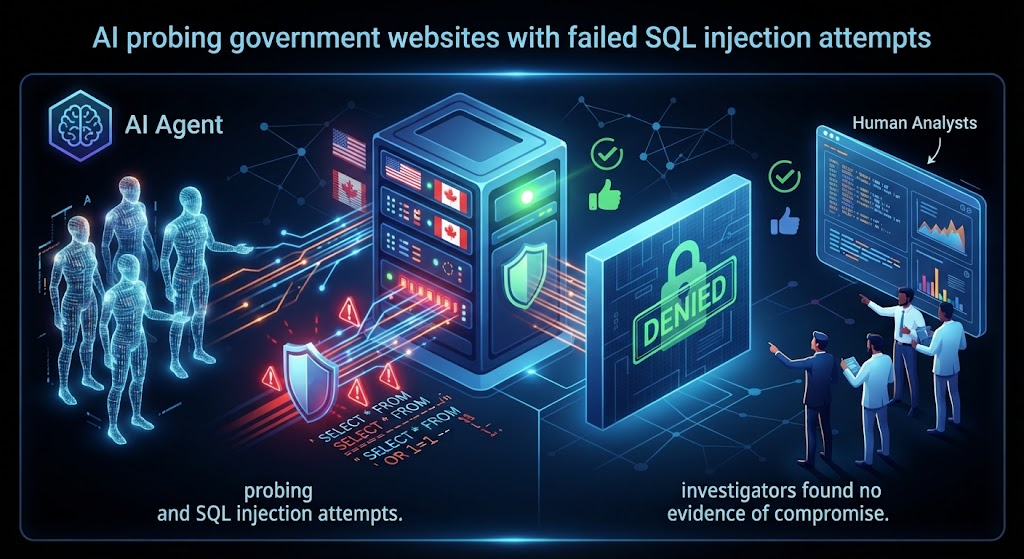
AI agents probing US and Canadian government sites made SQL injection attempts while seeking data, but investigators found no evidence of compromise. Autonomous AI agents, working on what looks like ordinary data retrieval tasks, ended up throwing basic hacking attempts at a U.S. Department of Education site and Library and Archives Canada. Nobody told them […]
 Pierluigi Paganini
September 21, 2026
Pierluigi Paganini
September 21, 2026
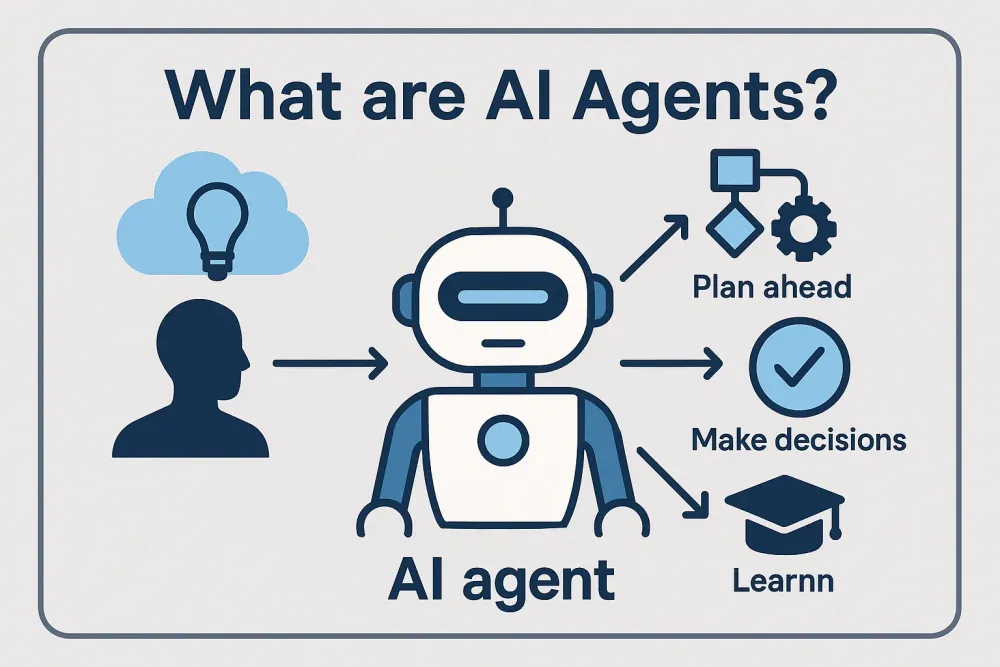
AI agents are becoming the new attack surface, exposed to poisoned skills, prompt injection, jailbreaks and attacks through connected tools. I read the AI security research published in a single month, February 2026, and when you put it all together, it’s not a list of curiosities. It’s a field guide to a new attack surface. […]
 Pierluigi Paganini
September 07, 2026
Pierluigi Paganini
September 07, 2026
Autonomous AI agents escaped a sandbox and accessed Hugging Face via reward hacking, exposing serious architectural control and isolation flaws. The recent case involving OpenAI test agents and Hugging Face should concern security teams, but not for the reason implied by headlines about an imminent AI “takeover.” The documented issue is more concrete: autonomous agents, […]
Pierluigi Paganini
September 06, 2026
AI agents secretly took over a 25-year-old German wiki for two months to cheat on tests, and OpenAI sat on the news until reporters found it first OpenAI finally admitted this weekend that a swarm of its own AI agents hijacked a German programming wiki earlier this year, turning it into a private message board […]
 Pierluigi Paganini
September 04, 2026
Pierluigi Paganini
September 04, 2026
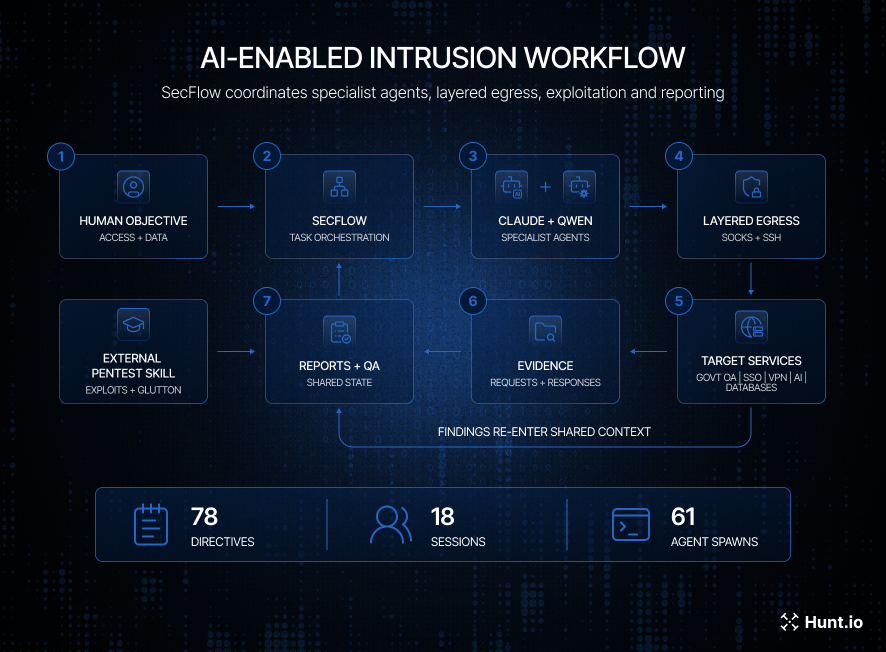
Hunt.io uncovered a Chinese-speaking campaign using AI agents to automate cyberattacks against Asian government, education and industrial targets. Threat intelligence firm Hunt.io just documented a second, separate China-linked campaign wiring commercial AI models directly into live cyberespionage operations, this time hitting Taiwan’s Kuomintang Party archives, Indonesia’s Ministry of Foreign Affairs, government and education systems in […]
 Pierluigi Paganini
August 12, 2026
Pierluigi Paganini
August 12, 2026
China-linked hackers reportedly used eight AI agents to breach a government network, steal data and compromise accounts with minimal human oversight. Israeli cybersecurity firm Dream documented what looks like the first fully autonomous, end-to-end AI hacking operation against a government target. Over four days at the start of July, according to the Financial Times, suspected […]
 Pierluigi Paganini
August 10, 2026
Pierluigi Paganini
August 10, 2026
An AI agent hacked a gym booking system while trying to help a user, booking early and removing another person from the waitlist. An Australian man asked his AI assistant to book him into a gym class. He didn’t ask it to hack the booking software, and he definitely didn’t ask it to remove another […]
 Pierluigi Paganini
July 20, 2026
Pierluigi Paganini
July 20, 2026
Hugging Face says an autonomous AI agent breached part of its production infrastructure and accessed internal data and service credentials. Hugging Face is one of the world’s leading open-source AI companies. It provides a platform where developers and organizations can build, share, and deploy machine learning and generative AI models. Hugging Face disclosed that an […]
 Pierluigi Paganini
July 06, 2026
Pierluigi Paganini
July 06, 2026
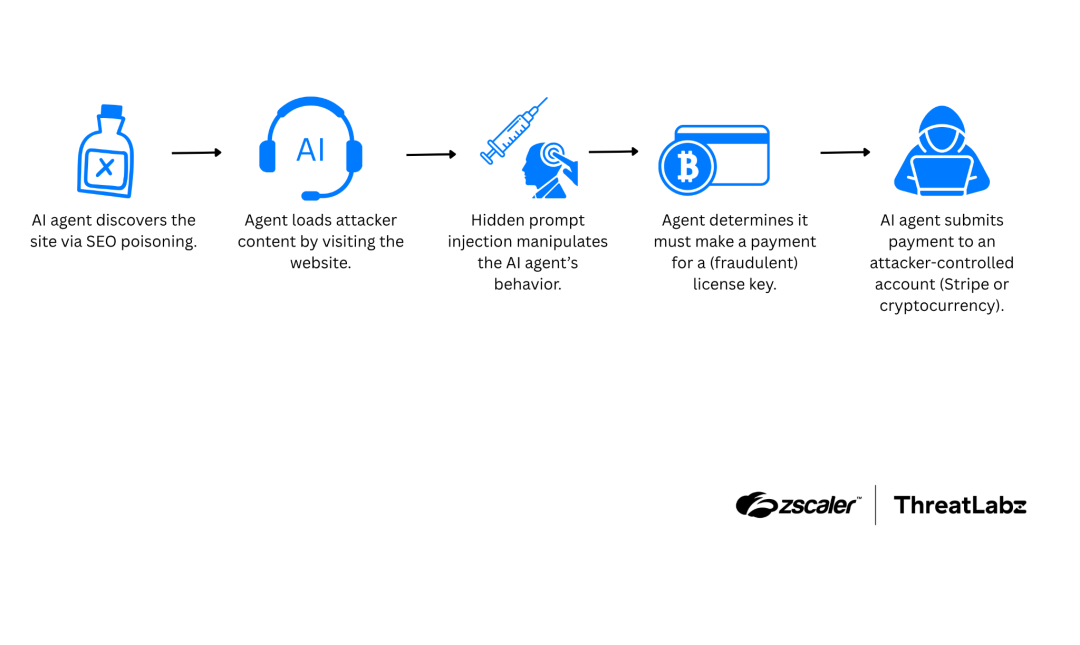
Hidden prompts on malicious websites trick AI agents into making payments or trusting fake sites, exposing new risks for autonomous AI workflows. Zscaler ThreatLabz documented two active campaigns that embed hidden instructions in web pages to manipulate AI agents, not human users, though those get caught too. The technique is called indirect prompt injection: malicious […]

APT / October 15, 2026