Pierluigi Paganini
 November 15, 2026

A hotel in Germany had a maintenance safety system for its sauna area. If the chlorine level got too high, the system emailed the operators. When Microsoft’s cloud services failed, those emails couldn’t go out, the chlorine rose, and 15 guests were poisoned, according to Notebookcheck report.
“Over a dozen guests at a theme park hotel in Germany were injured by excessive chlorine levels.” states Notebookcheck. “According to local media reports, the incident was caused by a problem with the email-based system used to control chlorine dosing, which was affected by the Microsoft outage.”
German emergency services sent 40 first responders. Local media reported that four victims were taken to hospital, and one stayed for further observation. An alarm that depends on email works until the email doesn’t.
The incident shows the danger of relying on email for critical safety alerts. When the email service fails, the warning system fails too.
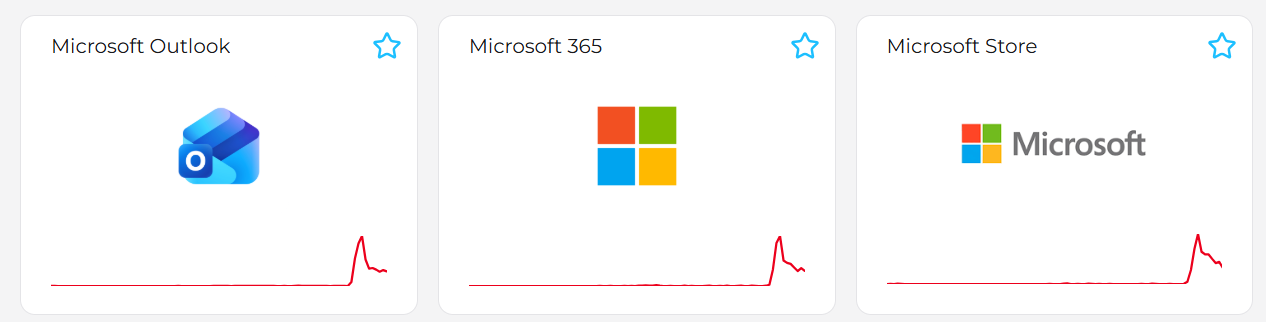
The trigger was a global Microsoft outage from 12 to 14 November that hit Outlook and other services. Some Japanese workers went back to fax machines to keep their businesses running. The outage wasn’t as big as the CrowdStrike failure in 2024, which disrupted a huge number of corporate computers, but this one hurt people. Tom’s Hardware notes it could have ended in something worse if the problem hadn’t been caught earlier.
This incident is a warning for anyone who relies on online services or connected devices to manage safety systems. An alarm that depends entirely on the internet can fail when the connection or cloud service goes down. In this case, the hotel had only one way to send warnings, and that system stopped working.
The solution is to have a physical or offline backup that continues to work even when internet services are unavailable. Staff must also know how to use it and practice regularly.
“This is one of the issues that institutions must consider when using online services or the Internet of Things to automate systems, especially those that are crucial for safety.” continues the report. “Architects of such systems should always have a physical or analog backup that will continue operating even if everything goes offline.”
A backup that nobody knows how to operate is useless. Another option is to run the servers and automation locally, rather than relying on cloud services. However, this requires more work to build and maintain, and it does not protect against local problems such as power outages.
The incident also shows how much business now depends on a few large companies. Microsoft, Google and AWS can offer reliable service at lower cost than smaller rivals or an in-house setup. When one of them goes down, millions of businesses feel it, and economic activity can stall.
For safety systems, the advice is short: architects of such systems should always have a physical or analog backup.
Follow me on Twitter: @securityaffairs and Facebook and Mastodon
(SecurityAffairs – hacking, Microsoft Outage)