Pierluigi Paganini
 November 16, 2026

A wave of service disruptions affected several major U.S. banks on Monday, November 16, leaving customers unable to access online banking, check account balances or complete financial transactions. The problems also affected digital payments, including Zelle, raising questions about how much financial services depend on the availability of interconnected technology platforms.
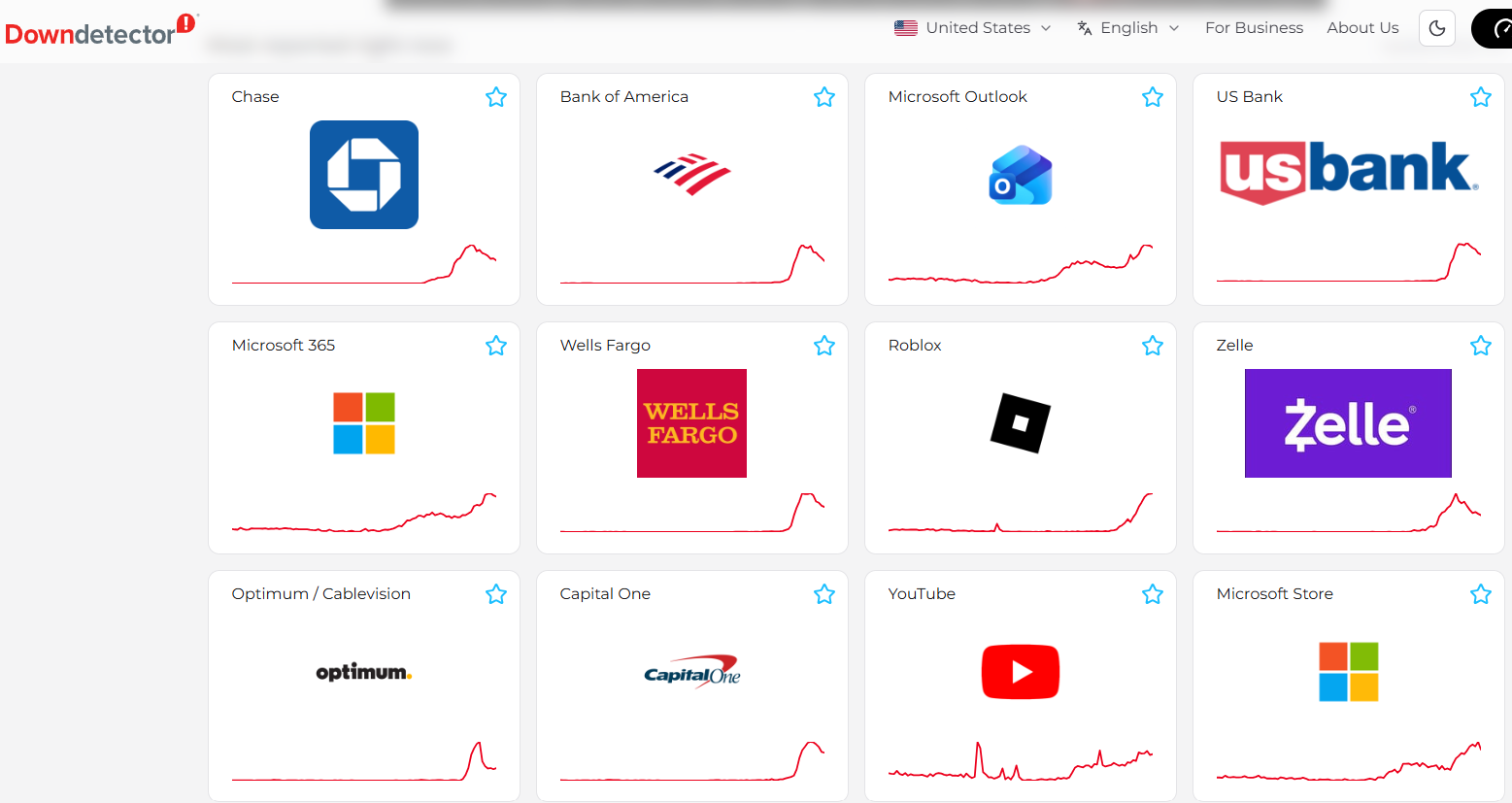
According to CBS News, the affected institutions included JPMorgan Chase, Bank of America, U.S. Bank, Wells Fargo, Capital One and Truist. “Customers at Bank of America, JPMorgan Chase, U.S. Bank and other major financial institutions reported service outages on Monday, according to Downdetector.com.”
“Other banks seeing a spike in customer complaints about difficulty accessing their accounts include Capital One, Truist and Wells Fargo, while users also reported problems with the digital payments app Zelle, according to the outage tracker.” states CBS News.
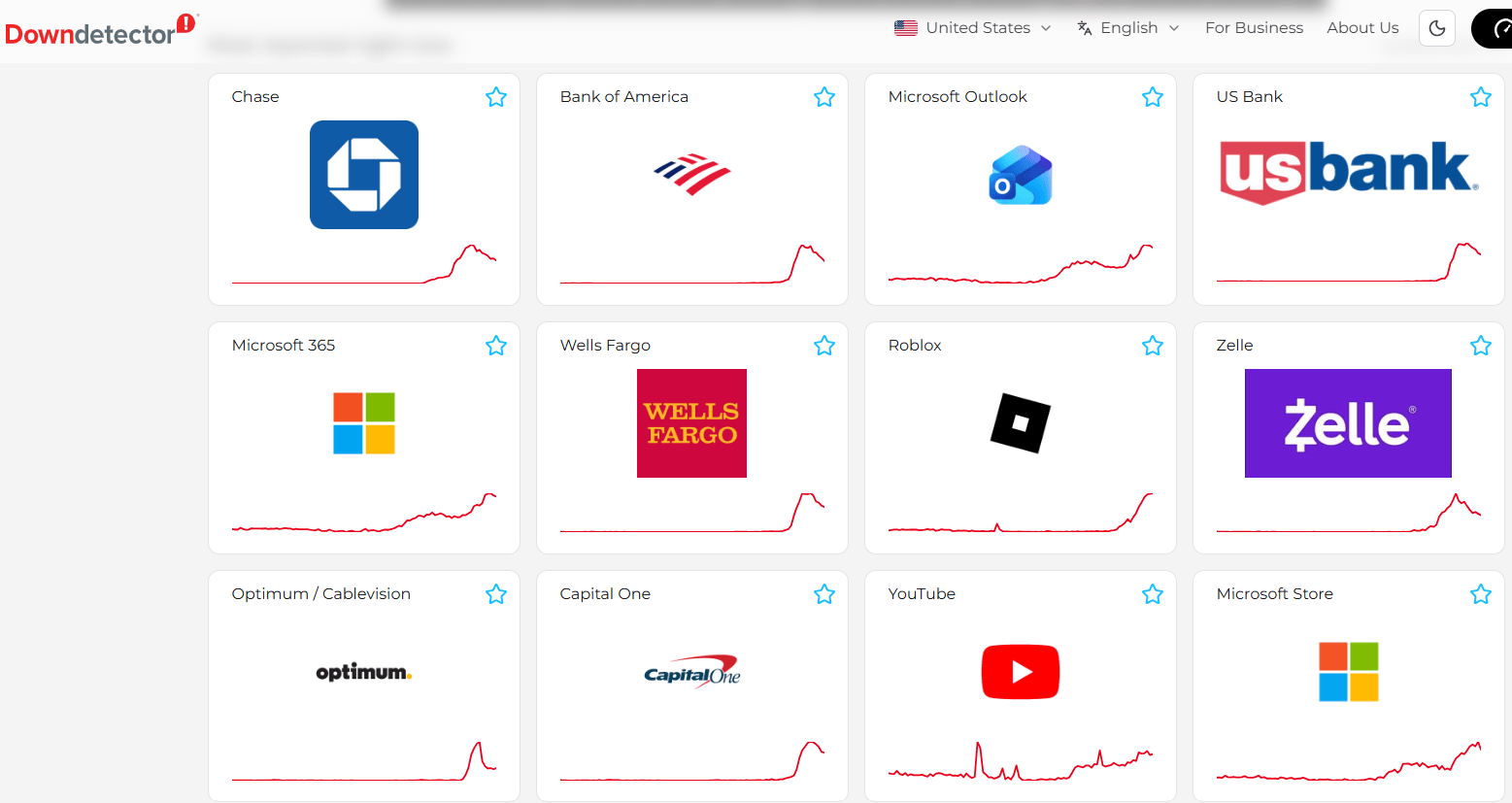
Reports began appearing on Monday morning and increased throughout the day. By 2 p.m. Eastern Time, Downdetector had received nearly 4,800 reports concerning Chase alone, making it the bank with the highest number of reported problems.
Customers described difficulties logging into their accounts, checking balances, transferring money and completing wire transactions. Bank of America customers also reported problems with ATMs, while U.S. Bank users experienced issues with online banking and its mobile application. Some Wells Fargo customers couldn’t log in or access transaction information.
The disruption wasn’t limited to online services. A Chase customer in Texas told CBS News that he couldn’t deposit a check at a Dallas branch because the bank’s system was unavailable. The incident illustrates how a technical failure can affect both digital channels and ordinary banking operations.
“Chase Bank’s services are experiencing a technical bug issue, not a cyber issue, a spokesperson said Monday.” CBS News continues.
The bank explained that some transactions were taking longer than usual, while customers could still access their accounts and funds. It said it was working to resolve the problem.
Zelle also attracted attention as customers reported difficulties sending and receiving payments. However, the company said its network was operating normally and pointed to possible problems at participating financial institutions. This distinction matters because Zelle doesn’t maintain separate customer accounts or hold their funds. Instead, participating banks and credit unions manage the underlying accounts and transactions.
Its network operator, Early Warning Services, is owned by several major financial institutions, including Bank of America, Capital One, JPMorgan Chase, PNC Bank, Truist, U.S. Bank and Wells Fargo. This structure highlights how a disruption affecting one part of the banking infrastructure can potentially create problems across services that rely on participating institutions.
The banking problems came amid a particularly difficult week for U.S. technology infrastructure. On November 12, Microsoft 365 suffered a widespread outage that disrupted Outlook, Teams and other services. The following day, a technical failure in the Federal Aviation Administration’s communications infrastructure triggered a nationwide ground stop, suspending departing flights for several hours. Workday, a major provider of human resources and payroll software, also experienced service disruptions on November 13. Fox News documented the sequence of incidents, while Newsweek also reported the growing number of technology disruptions.
The timing has inevitably raised concerns about whether these incidents might share a common cause, particularly given the importance of Microsoft services, telecommunications and third-party technology providers to critical business operations. However, the available information doesn’t establish a connection between the incidents, and there is no evidence that the banking disruptions were caused by a coordinated cyberattack.
Microsoft attributed its earlier service interruption to a technical problem rather than malicious activity.
For security professionals, the incidents offer a useful reminder: service availability is a security and operational resilience issue, even when no attacker is involved. Financial institutions rely on complex chains of applications, infrastructure providers, telecommunications networks and external services. A failure at one point can affect customers far beyond the organization where the original problem occurred.
The distinction between a cyberattack and a technical failure is important, but it shouldn’t lead organizations to underestimate the consequences. Business continuity plans, dependency mapping, alternative communication channels, incident response procedures and clear customer communication all matter when essential services become unavailable.
A system doesn’t need to be compromised to become unavailable, and customers don’t care much about the distinction when they can’t access their money.
Follow me on Twitter: @securityaffairs and Facebook and Mastodon
(SecurityAffairs – hacking, U.S. Banks)