Pierluigi Paganini
 November 24, 2026

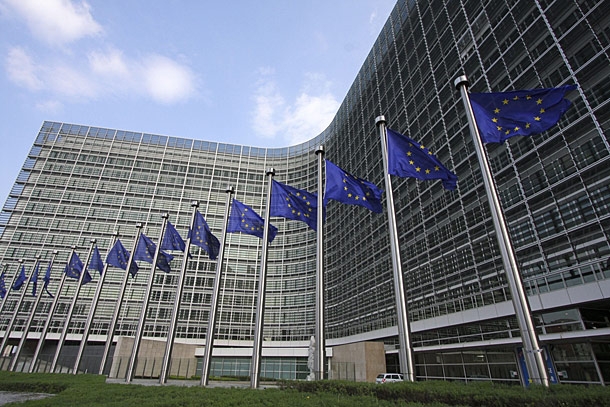
The European Commission has confirmed that the cyberattack it disclosed last week exposed personal data.
The European Commission (EC) confirmed that the cyberattack exposed personal information.
When the attack was discovered, several applications were temporarily shut down. At the time, the Commission said it had found no evidence that staff data had been compromised. EU cybersecurity experts have still not confirmed that any staff data was stolen, but the attack affected another group of users.
On Monday, Commission spokesperson Thomas Regnier told reporters that the investigation had uncovered a data breach involving EU Academy. The platform offers online courses about EU policies to people outside the Commission. According to Euronews, it also provides professional training and specialised learning opportunities for young people.
What was taken is limited so far, but the picture isn’t final. Compromised information includes names and email addresses of EU Academy users. Access to the platform is suspended, and the European Data Protection Supervisor has been notified.
“The Commission has confirmed a leak of names and email addresses and is warning users of possible follow-ups from the attacker, such as phishing campaigns based on their personal data.” Euronews reports.
“That is the first major consequence of the incident. For other IT systems, EU cyber experts have not confirmed data theft affecting Commission staff, though several internal apps were taken offline as a precaution and some remain unavailable.”
Regnier said the scale of the leak is still under investigation, so the Commission posted one general message for everyone on the website, out of transparency, instead of contacting individuals.
CERT-EU, the cybersecurity team that protects EU institutions, detected the activity on 22 October and identified ARTEX, an AI-powered penetration-testing tool, as a possible tool used in the attack. An EU official told Politico that some threat actors misuse tools like ARTEX and have targeted the Commission. In a technical note published on 5 November, CERT-EU described ARTEX as a system that uses AI agents. An operator gives it an objective in plain language, and the software breaks it down into smaller tasks that the agents carry out using real hacking tools.
Last week EU experts said the attack had largely been contained, but Euronews tells a different story:
“On 22 October, the Commission’s IT department detected a malicious actor in its internal networks.” states euroNews. “A month after the attack began, the EU executive has yet to fully contain the breach and was forced to take the EU Academy website offline on Saturday.”
Regnier wouldn’t say on Monday whether the incident is over. Euronews’ sources describe an attack that’s still moving through Commission IT systems. Several internal apps were taken offline as a precaution, and some remain unavailable.
At this time, nobody has linked the attack to a specific actor, because Regnier said attribution has to wait until the investigation ends.
Euronews reports, citing two sources familiar with the matter, that the European Commission suspects a China-backed group of hackers is behind the large-scale cyberattack. The attack is reportedly still spreading through the Commission’s IT systems.
Inside the Commission, the suspected attackers are reportedly referred to as “Panda”. The term is used by the cybersecurity industry to loosely link threat actors to China. However, no official source has confirmed this attribution publicly.
The suspicion is based on the attack’s level of sophistication and the reported use of ARTEX, a Chinese-developed tool that uses AI to find vulnerabilities that attackers can exploit.
Euronews says Microsoft and CrowdStrike have tied ARTEX-driven espionage campaigns against hundreds of organisations to China-linked groups they call Storm-0940 and Panda Vapor.
The current threat assessment says the actor wasn’t going after specific systems or people. It wanted to test how far it could get into the Commission’s networks. A narrower target would have called for a quieter attack.
The Commission’s handling of the breach upset its staff union, which says employees learned about it from the press. The Commission also says public disclosure may alert attackers to its response and cause panic too. For EU Academy users, the risk is phishing: stolen names and email addresses could make scam messages more convincing. Users should be cautious with unexpected messages, visit the Academy website directly, and avoid sharing personal information with anyone claiming to represent the Commission.
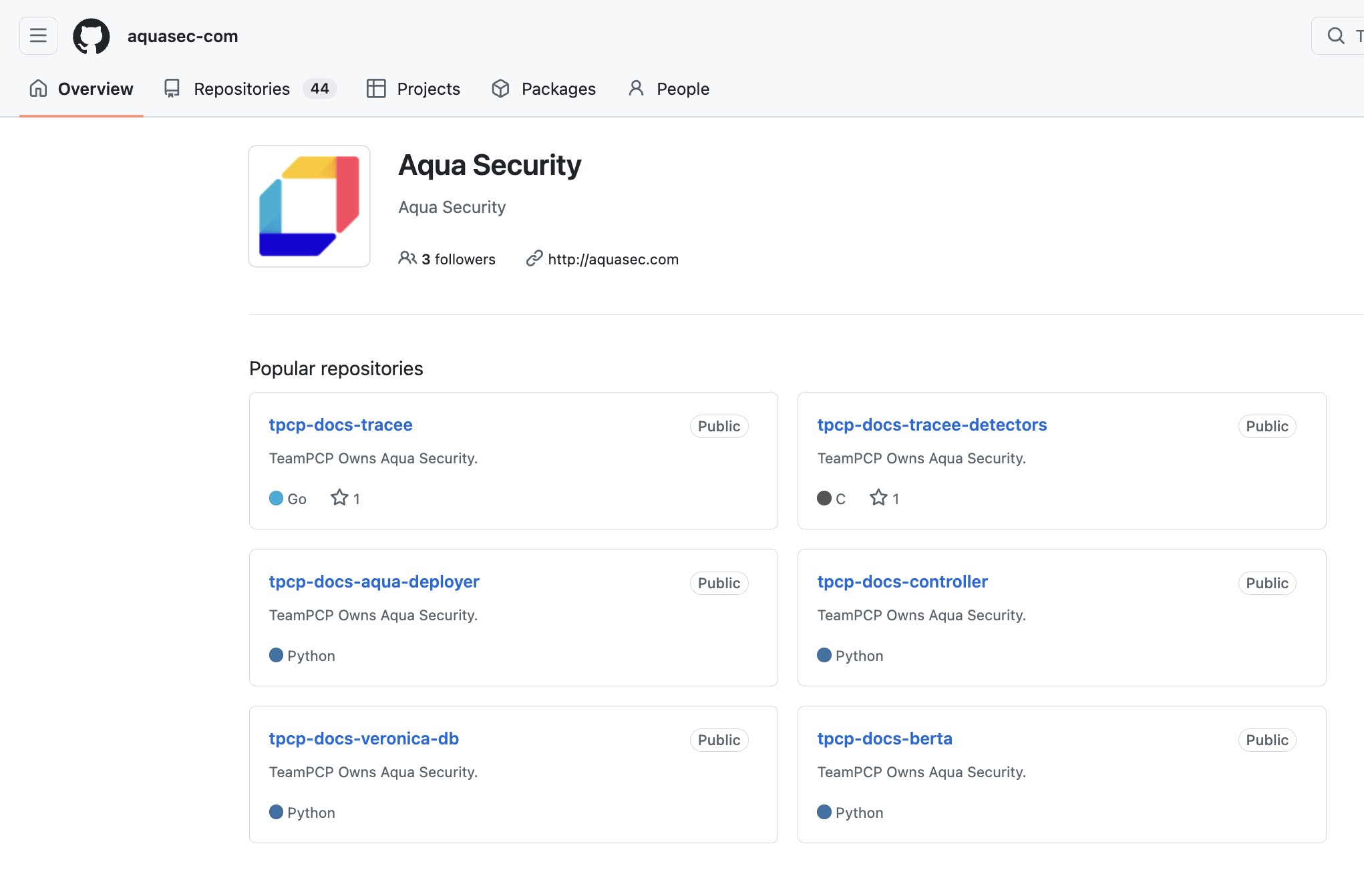
This isn’t the Commission’s first hit this year. On March 24, the European Commission detected a cyberattack affecting the cloud infrastructure hosting its Europa.eu websites. The incident was quickly contained, with mitigation measures applied and no disruption to website availability. CERT-EU attributed a European Commission cloud breach to the TeamPCP threat group, revealing that data from at least 30 EU entities was exposed.
TeamPCP reportedly accessed the EU’s AWS environment on March 10 using a stolen API key from the Trivy supply-chain attack.
They then used tools like TruffleHog to find more credentials, created new access keys to stay hidden, and carried out reconnaissance and data theft. TeamPCP is also linked to supply-chain attacks on platforms like GitHub, PyPI, NPM, and Docker, including a compromised LiteLLM package used to spread data-stealing malware.
On 30 January, the European Commission detected another cyberattack that hit its mobile device management system. The organization pointed out that no mobile devices were compromised. The Commission contained and cleaned the system within nine hours.
Follow me on Twitter: @securityaffairs and Facebook and Mastodon
(SecurityAffairs – hacking, EU Commission)